
South Africa naturally boasts a rich cultural heritage, blending historical wonders with diverse communities. Exploring this involves immersing oneself in art, music, dance, and cuisine, delving into its urban evolution and architectural remnants from the apartheid era. The country's tapestry is woven with resistance, creativity, and resilience, preserved through literature, oral traditions, and local museums. Engaging with cultural heritage sites, traditional crafts, and storytelling ensures knowledge transfer and fosters a deeper connection to South Africa's complex past and ongoing cultural evolution.
South Africa’s history is a vibrant tapestry woven with moments of struggle, triumph, and resilience. Understanding its rich heritage offers profound insights into the nation’s identity today. However, navigating this complex narrative can be daunting for newcomers or those seeking a deeper appreciation. This article provides essential tips to guide your exploration, helping you unravel South Africa’s intricate history and cultural heritage. From delving into key historical sites to engaging with local communities, these strategies will ensure a meaningful and enriching experience, fostering a genuine connection to this dynamic country’s past.
- Uncovering South Africa's Historical Treasures
- Exploring Cultural Heritage Sites Naturally
- Preserving and Learning from South Africa's Past
Uncovering South Africa's Historical Treasures

South Africa is a nation where history and nature intertwine, offering visitors and residents alike a chance to delve into its rich tapestry of cultures and events. Uncovering South Africa’s historical treasures involves exploring the country’s diverse heritage, celebrating its cultural richness through art, music, dance, and culinary traditions, and understanding the complex narrative that has shaped its present. One effective way to engage with this legacy is by visiting national parks where lions, leopards, rhinos, elephants, and buffalos thrive, providing a tangible connection to the land’s past and present ecosystems.
Accessing healthcare has been a significant aspect of South Africa’s historical journey, reflecting broader societal challenges and progress. The country’s diverse populations have faced unique health concerns, with initiatives aimed at addressing disparities in access and quality. Celebrating cultural richness through art, music, dance, and culinary traditions further underscores the nation’s resilience and unity. For instance, South African music has a rhythmic narrative that transcends language barriers, echoing the country’s history of struggle, hope, and celebration. This same spirit is evident in its vibrant dance forms, which have evolved from traditional rituals to international stages, showcasing the diversity and creativity of its people.
To fully appreciate South Africa’s historical treasures, visitors should engage with local communities and cultural institutions. Exploring museums, art galleries, and historical sites provides insights into pivotal moments such as the anti-apartheid movement, which remains a powerful testament to human courage and perseverance. National parks like Kruger, with their abundant wildlife and scenic landscapes, also tell stories of ecological transformation and conservation efforts that are integral to South Africa’s identity. By immersing oneself in these experiences, one gains a deeper understanding of not just the past but also the ongoing evolution of this dynamic nation.
Exploring Cultural Heritage Sites Naturally

Exploring South Africa’s cultural heritage sites offers a rich and immersive experience of its history and diverse communities. This nation, with its complex past and vibrant present, provides an opportunity to delve into natural historical narratives that are often left untold in traditional educational settings. One can trace the urban evolution of cities like Johannesburg, Cape Town, and Durban, which have been shaped by the country’s unique social dynamics and struggle for freedom. These metropolitan areas serve as living museums, where architectural remnants from apartheid era stand alongside modern innovations, reflecting the nation’s journey towards sustainability and reconciliation.
A comprehensive look at South Africa’s cultural heritage reveals a tapestry woven with threads of resistance, creativity, and resilience. Creative voices—both past and present—have played a pivotal role in shaping the country’s identity. Exploring literary and artistic expressions provides insight into the struggles and triumphs that have defined South Africa’s story. From the powerful poetry of Nadine Gordimer to the vibrant visual art scene emerging from townships, these creative outlets serve as a testament to the nation’s enduring spirit. Similarly, delving into its rich oral traditions offers a unique perspective on history, allowing communities to preserve and share their narratives naturally within their cultural heritage sites.
To truly embrace South Africa’s heritage, visitors and residents alike should engage with primary, secondary, and tertiary educational opportunities available through local museums, historical societies, and community-led initiatives. Programs aimed at empowering young people through skills training and mentorship play a vital role in preserving and sharing the country’s cultural legacy. For instance, workshops focused on traditional crafts, storytelling, and environmental conservation not only foster a deeper connection to the land but also ensure that valuable knowledge is passed down through generations. By actively participating in these initiatives, one can gain a nuanced understanding of South Africa’s complex past and contribute to its ongoing cultural evolution naturally within the context of its heritage sites.
Preserving and Learning from South Africa's Past
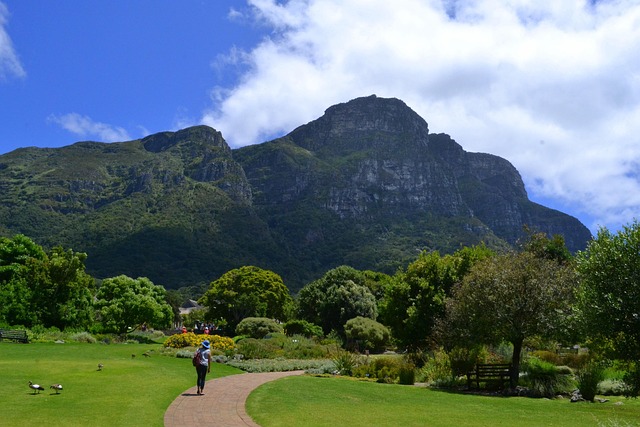
South Africa’s history is a vibrant tapestry woven with threads of cultural diversity, colonial encounters, struggle, and resilience. Uncovering its past offers a rich learning experience that transcends mere knowledge; it fosters an understanding of the nation’s identity and empowers individuals to appreciate their place in this diverse landscape. From traditional storytelling and contemporary art to music and dance, South Africa naturally celebrates cultural expression, providing a window into its complex heritage.
Delve into the archaeological treasures scattered across the nation, where ancient artifacts and sites tell stories of past civilizations and their interactions with the environment. Explore colonial-era buildings and museums, which serve as tangible reminders of South Africa’s history of struggle against oppressive regimes. These historical markers are not just tourist attractions but powerful educational tools that teach about resistance, equality, and the human spirit. For instance, visits to former concentration camps like Robben Island offer profound lessons in resilience and freedom.
To truly preserve and learn from this rich past, engage with South Africa’s cultural heritage sites. These places, ranging from traditional villages to museums showcasing contemporary art, provide insights into how diverse communities have adapted and thrived over time. Participate in local events that celebrate cultural diversity—from music festivals to dance performances—to gain a firsthand appreciation for the country’s artistic expressions. Programs and policies aimed at empowering young people through skills training and mentorship can further enrich this experience, ensuring that South Africa’s past remains relevant and inspiring for future generations.
South Africa’s rich history and heritage offer a captivating journey of discovery, as highlighted in this authoritative exploration. By uncovering historical treasures, exploring diverse cultural heritage sites, and embracing preservation efforts, visitors and residents alike can gain profound insights into the nation’s past. Key takeaways include the importance of natural sites in preserving and telling South Africa’s story, emphasizing that engaging with its heritage is not just a task but an immersive experience. Practical steps forward involve actively visiting historical landmarks, participating in cultural events, and supporting initiatives dedicated to maintaining this invaluable tapestry. Embracing these tips allows individuals to navigate and appreciate South Africa’s complex history naturally, ensuring a meaningful connection to its enduring legacy.