
South Africa's cultural richness is expressed through greetings, social interactions emphasizing community, and diverse traditions. Understanding its eleven official languages and respecting personal space, eye contact, and communication styles are key to meaningful connections. Social gatherings, gift-giving, and entrepreneurial spirit thrive in a society shaped by history and valuing warmth and mutual respect. Embracing local customs fosters deeper appreciation for South Africa's unique tapestry.
South Africa, with its rich cultural diversity, offers a fascinating blend of traditions and customs that visitors and residents alike should navigate with respect and sensitivity. Understanding local etiquette is essential for fostering positive interactions and avoiding unintentional offenses in this vibrant nation. This article provides an authoritative guide to navigating South African customs and etiquette, offering practical tips to enhance your experiences, build connections, and demonstrate cultural awareness in diverse social and professional settings across the country.
- Greeting and Introductory Etiquette in South Africa
- Cultural Sensitivity: Understanding Social Norms
- Communication Styles and Language Preferences
- Social Gatherings and Gift-Giving Traditions
Greeting and Introductory Etiquette in South Africa

Greetings and introductory interactions are a gateway into any culture, offering insights into values and priorities. In South Africa, a country with a rich cultural heritage and complex history, these initial exchanges can be both warm and formal, reflecting the diverse communities within its borders. Understanding this nuanced aspect of etiquette is crucial for fostering meaningful connections during your time in this vibrant nation.
South Africans often greet each other with a handshake, accompanied by a friendly smile and a warm “Hello” or “Good day.” This simple gesture signifies respect and is a common practice across different social settings. When meeting someone for the first time, taking the time to learn their name and showing genuine interest in their well-being are highly appreciated. Personal space is generally respected, but close friends and family may have more intimate greetings involving hugs or hand-on-shoulder gestures. Remembering and using a person’s title and last name, especially when addressing elders, demonstrates courtesy and deference.
The South African culture places a strong emphasis on community and civic participation, which translates into social interactions. Engaging in conversations about current affairs, local events, and cultural heritage sites is often welcomed. Showing interest in their vibrant music scene, such as Rhythm Stories: Music and Dance as Cultural Diplomacy in South Africa, or the power of mentorship programs empowering youth through skills training, can open doors to deeper connections. Addressing issues like poverty and social development through community initiatives demonstrates respect for the country’s struggle and ongoing efforts to build a better future. By embracing these opportunities, you’ll gain valuable insights into the heart of South African society and create lasting memories.
Cultural Sensitivity: Understanding Social Norms

South Africa’s cultural landscape is a vibrant tapestry woven with diverse threads of tradition and modern influences. Navigating this intricate fabric requires an understanding of social norms, which vary across communities and regions. Cultural sensitivity is key to fostering meaningful connections and avoiding unintentional offense. One must recognize that South Africa, with its history marked by apartheid and the ongoing Addressing Poverty: Strategies for Social Development in South Africa, has unique societal structures that have evolved over time.
Women in society play a significant role, impacting various sectors including technology innovation. The country’s economic diversity presents opportunities and challenges alike for local and foreign investors. This dynamic environment demands cultural awareness; for instance, greetings can vary from the traditional handshake to more informal gestures, reflecting the informality often appreciated in South African interactions. Respecting personal space is another important aspect; while physical affection is common among friends and family, it may not be the norm in professional or formal settings.
In terms of communication, active listening is highly valued, demonstrating respect for the speaker’s perspective. Direct eye contact is generally considered respectful, but cultural differences might exist, such as the use of silence in some communities that doesn’t necessarily signify discomfort. Furthermore, understanding and appreciating South Africa’s diverse languages—with eleven official languages recognized—is essential for effective communication and building rapport. This linguistic diversity also highlights the country’s commitment to inclusivity and national unity.
As global engagement increases, innovations in renewable energy, waste management, and conservation practices gain momentum. South Africans are pioneering sustainable solutions, reflecting a progressive mindset. Education in South Africa: Building a Foundation for the Future plays a pivotal role in cultivating a culturally sensitive workforce, equipped with the knowledge to navigate this diverse society. Visiting us at Education in South Africa offers insights into how institutions are fostering understanding and preparing students for a successful future, not just within South Africa but on a global scale.
Communication Styles and Language Preferences
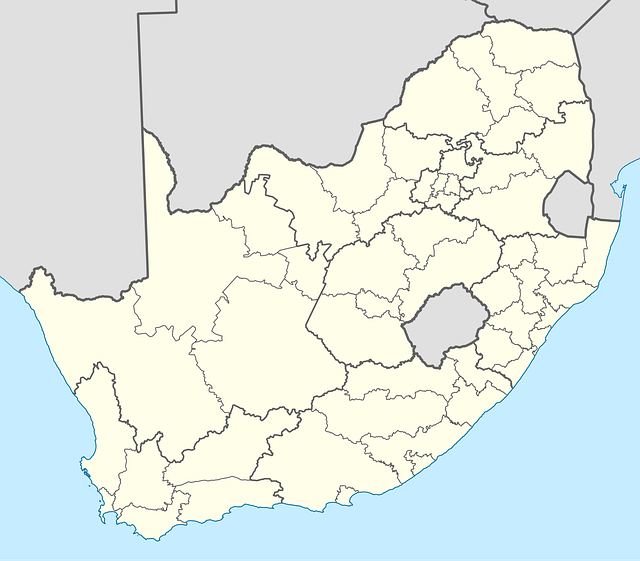
Communication styles and language preferences are integral to understanding South Africa’s rich cultural tapestry—a celebration of traditional storytelling, contemporary art, music, and dance that reflects the country’s diverse geography and history. In South Africa, communication is often characterized by a warm, open approach, reflecting a society that has fought for freedom and equality. The nation’s complex past, marked by apartheid, has left an indelible impact on its people, shaping their resilience and their unique way of expressing themselves.
Language plays a pivotal role in this cultural expression. South Africa is home to eleven official languages, including English, Afrikaans, Zulu, Xhosa, Sotho, Tswana, and Venda, among others. This linguistic diversity reflects the country’s rich ethnic and tribal heritage. In everyday interactions, many South Africans speak more than one language, seamlessly switching between them depending on the context and the person they’re communicating with. This fluidity is a testament to the nation’s commitment to preserving its past while embracing contemporary expressions of identity. For example, in urban areas, you might hear vibrant conversations in a mix of English, Afrikaans, and local languages, illustrating the harmonious blending of traditional and modern cultures.
When engaging with South Africans, it’s beneficial to demonstrate respect for their cultural norms and language preferences. Here are some practical tips: be open to learning basic greetings and phrases in their native tongue; show interest in their unique storytelling traditions, which often convey profound historical and social messages; and appreciate the role of music and dance in their lives, as these art forms have been powerful tools for resistance and celebration throughout South Africa’s history. For instance, community-based programs and government interventions to combat systemic inequality, such as those focused on youth development, often incorporate cultural expression through music and dance, recognizing their potential to heal and unite.
Preserving the past is a cornerstone of South African culture, evident in its many UNESCO World Heritage Sites. These sites not only showcase the nation’s breathtaking landscapes but also tell stories of human resilience and struggle. Visiting these places can offer profound insights into South Africa’s history and how it has shaped its people’s communication styles and cultural preferences. By immersing ourselves in these cultural practices and understanding their significance, we can foster deeper connections and appreciate the richness that diversity brings to South African society.
Social Gatherings and Gift-Giving Traditions

In South Africa, social gatherings and gift-giving are integral to building relationships and fostering community bonds. Understanding these customs is essential when engaging with locals or navigating the dynamic business landscape of entrepreneurship and growth: The Business Landscape in South Africa. As a nation that has overcome significant challenges, from the impacts of Climate Change to historical complexities explored in its past, South Africans value warmth, hospitality, and mutual respect during social interactions.
Gift-giving traditions vary across cultural groups, reflecting the country’s rich diversity. Generally, gifts are seen as a way to show appreciation and strengthen connections. When attending a social gathering, it is customary to bring a small gift, such as flowers, a bottle of wine, or local delicacies. Avoid giving items like knives or sharp objects, as these may have cultural taboos attached in certain communities. During business meetings, simple gestures like presenting a company’s promotional item or a local craft can be well-received, demonstrating your effort to connect and understand South African customs.
At social events, South Africans tend to be warm and welcoming. Greetings are usually accompanied by a handshake, a light embrace, or a nod, depending on the context and cultural norm. Personal space is generally respected, but close physical contact during greetings is not uncommon among friends and family. Timing is also crucial; arriving early to a gathering is considered polite, while being punctual demonstrates respect for the host’s time. Engaging in conversations about family, food, travel, or local attractions is appreciated, as these topics provide opportunities to build rapport and learn about South African culture.
Exploring South Africa’s vibrant startup and tech hub scenes, such as those found in Cape Town and Johannesburg, offers insights into the nation’s entrepreneurial spirit. Visiting us at these centers allows you to witness firsthand how local entrepreneurs embrace cultural diversity while driving technological advancements. Similarly, government initiatives focused on fostering social entrepreneurship and innovation further highlight the country’s commitment to growth and inclusivity. By understanding and respecting South African customs and etiquette, particularly in social gatherings and gift-giving, visitors and business professionals can build stronger connections and contribute positively to the nation’s dynamic social and economic landscape.
By understanding South Africa’s rich cultural tapestry, visitors and residents can navigate social interactions with confidence and respect. Key insights include greeting individuals with warmth and informality, recognizing hierarchical respects in conversations, and adapting communication styles to diverse contexts. Gift-giving is an essential aspect of South African hospitality, reflecting thoughtfulness and fostering connections. In social gatherings, embracing diversity and engaging in open dialogue strengthens community bonds. This article equips readers with vital tools to interact authentically and build meaningful relationships within South Africa’s vibrant cultural landscape.