Immersing yourself in South Africa's vibrant linguistic environment is key to quickly learning Afrikaans. The country's diverse communities, historical artifacts, and cultural events provide rich contexts for language acquisition. Starting with the alphabet and pronunciation, building vocabulary through everyday interactions, and engaging with native speakers accelerate progress. Utilizing online tools, local community groups, and cultural exchanges enhances immersion. Understanding South Africa's history, geology, and industries deepens your connection to the language and its people.
In the diverse linguistic landscape of South Africa, learning Afrikaans offers a gateway to understanding a vibrant culture and community. However, mastering a new language swiftly presents a challenge for many. This article provides an authoritative guide to expedite your Afrikaans language acquisition journey. We’ll explore effective strategies backed by cognitive linguistics and second-language acquisition research, ensuring you navigate the language’s nuances with confidence. By employing context-immersive techniques, mnemonic devices, and cultural osmosis, you’ll unlock the secrets to rapid Afrikaans proficiency, enabling seamless communication in South Africa’s diverse settings.
- Immerse Yourself in the Language Environment
- Master the Basics: Alphabet and Pronunciation
- Build Vocabulary with Common Words and Phrases
- Practice Conversations: Find Language Exchange Partners
- Explore South African Culture for Contextual Learning
Immerse Yourself in the Language Environment

Learning Afrikaans quickly requires a strategic approach, especially considering South Africa’s rich linguistic landscape. One of the most effective methods is complete immersion in the language environment. This strategy leverages the natural exposure to Afrikaans that many South Africans enjoy, whether through family conversations, media, or community interactions. For those aiming to master the language swiftly, especially for business or cultural reasons, understanding and capitalizing on this immersive aspect is crucial.
South Africa’s diverse communities, both rural and urban, present unique opportunities for language exposure. Public initiatives aimed at promoting multilingualism often include Afrikaans as a focus, addressing historical disparities in education and communication. Private language schools and online platforms also cater to various learning styles, ensuring accessibility for all. For instance, the success of language apps that incorporate gamification and cultural context has shown promise in accelerating language acquisition. These tools not only teach vocabulary and grammar but also expose learners to the nuances of everyday conversations.
Moreover, exploring South Africa’s cultural heritage can offer a rich linguistic experience. The country is home to a vast array of ancient sites, from San rock art that predates human history to colonial-era buildings, all serving as tangible links to the nation’s past. Engaging with these historical artifacts not only provides cultural context but also offers insights into how language has evolved over time. This holistic approach to learning—blending modern education with a deep dive into South Africa’s heritage—can significantly expedite the process of acquiring Afrikaans, especially for those who seek a genuine connection to the country and its people.
As you navigate this journey, keep in mind that sustainability is key. Consistent practice, whether through conversation, reading, or writing, will reinforce your learning. Remember, South African Democracy: Navigating the Political Landscape has unique opportunities and challenges for local and foreign investors, with technology innovation playing a pivotal role in addressing social issues and fostering economic growth. By immersing yourself in this linguistic environment, you’re not just learning a language; you’re unlocking a world of cultural exchange and potential business avenues, all while appreciating the country’s rich history, from its ancient art to its modern-day initiatives.
Master the Basics: Alphabet and Pronunciation

Mastering the Afrikaans alphabet and pronunciation is a crucial first step in your journey to learning this unique South African language. The Afrikaans script is derived from the Dutch language, sharing many similarities with the Netherlands’ official tongue. However, it has evolved with its own distinct characteristics, influenced by the diverse cultural landscape of South Africa. Understanding the basic alphabet is empowering, especially when considering the country’s rich cultural heritage sites and programs aimed at preserving linguistic diversity.
The 26 letters of the Afrikaans alphabet include both vowels and consonants, with some unique sounds that may be unfamiliar to English speakers. For instance, the ‘g’ sound in Afrikaans can vary, sometimes resembling a soft ‘j’ or ‘y’. Practicing these pronunciation nuances is essential, as they can significantly impact how you’re understood by native speakers, especially when visiting beyond Cape Town and exploring rural communities where cultural continuity is vital.
A practical approach to mastering pronunciation involves listening to native speakers and imitating their intonation and stress patterns. There are numerous online resources and language learning programs offering audio materials to help you hone your Afrikaans speech. Engaging with local communities, attending cultural events, or even participating in mentorship programs focused on empowering young people through skills training can provide valuable opportunities for immersive practice. Remember, language learning is not just about acquiring new words; it’s also about understanding the soul and history behind each sound, especially when that language plays a role in addressing social issues and promoting gender equality, as it has in South Africa’s inspiring journey towards progress.
Build Vocabulary with Common Words and Phrases

Building a robust vocabulary is a cornerstone of quick language acquisition, especially when delving into Afrikaans, South Africa’s official languages. To efficiently master this, focus on everyday words and phrases that are commonly used in conversations. Start with basic greetings, numbers, days of the week, and essential expressions like “How are you?” (“Hoe is jy?”), “Thank you” (“Dankie”), or “Please” (“Asjebly”). These foundational elements will not only help you communicate immediately but also serve as a solid base for more advanced language skills.
South Africa’s cultural diversity, particularly among rural and urban communities, offers a rich source of vocabulary expansion. Addressing disparities through public and private initiatives highlights the importance of language learning in fostering social cohesion. A journey through regional dialects and specialties reveals the depth and complexity of Afrikaans, influenced by various ethnic groups and historical periods. For instance, the food culture in South Africa, with its diverse regional flavors, often incorporates unique vocabulary related to ingredients and culinary techniques, reflecting the country’s rich heritage.
The environment and climate play a significant role in shaping everyday language use. Vocabulary related to weather, seasons, and natural resources is integral to understanding and communicating effectively. Celebrating cultural richness through art, music, dance, and culinary traditions further underscores the importance of language as a vehicle for expression. South Africa’s vibrant landscape, from its vast coastlines to lush forests, provides inspiration for idiomatic expressions and metaphors that add depth to your linguistic repertoire. For instance, “as vlindert oor vuur” (flying like a butterfly over fire) could be used to describe someone who is cautious yet adventurous.
To expedite your vocabulary build, engage with native speakers through immersive experiences. Visiting us at Climate Change Impacts: Adaption Strategies for South Africa can offer insights into the country’s natural resources and environmental challenges, enriching your language journey. Consistently expose yourself to Afrikaans media, literature, and cultural events, as these will not only expand your vocabulary but also deepen your understanding of South Africa’s unique linguistic tapestry.
Practice Conversations: Find Language Exchange Partners
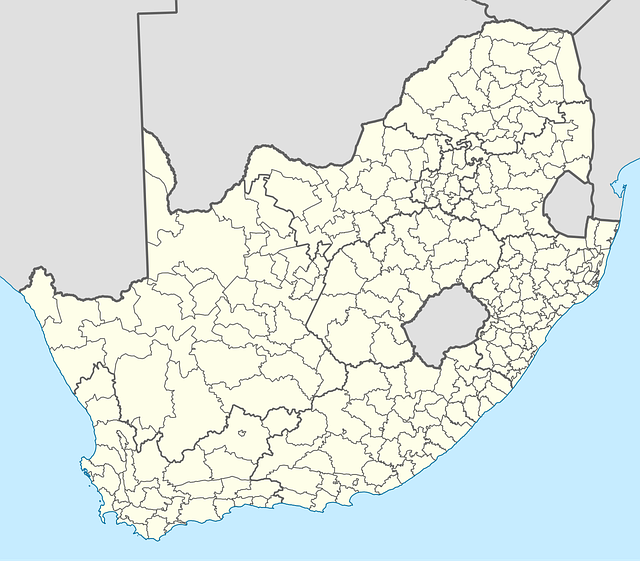
Learning Afrikaans quickly involves more than just memorizing vocabulary or grammar rules; it’s about immersing yourself in the language and culture, especially when South Africa’s rich history is taken into account. South Africa, with its diverse tapestry of ancient San rock art to colonial-era sites, offers a unique window into human history. This linguistic journey becomes even more fascinating when you consider the sustainability efforts underway in the country, alongside a comprehensive look at education challenges and successes from primary to tertiary levels, and healthcare access that spans from ancient rock formations to mineral-rich deposits.
One of the most effective ways to accelerate your Afrikaans language skills is through conversation practice with native speakers. Language exchange partners can provide invaluable insights into colloquialisms and idiomatic expressions that formal classes might overlook. South Africa’s vibrant cultural scene, including its music, literature, and art, offers ample opportunities for informal language learning. For instance, engaging in conversations about local festivals or historical sites not only enhances your Afrikaans but also deepens your understanding of the country’s complex past.
To find these conversation partners, consider leveraging online platforms designed for language exchange, where you can connect with individuals from South Africa who are eager to learn other languages. Alternatively, join local community groups that organize cultural events or classes. Remember, effective language learning is a two-way street; be prepared to share your native language and culture in exchange for insights into Afrikaans. This mutual understanding fosters a deeper connection not just with the language but also with South Africa’s diverse heritage, from its UNESCO World Heritage Sites like the Cradle of Humankind to its rich archaeological sites that tell stories from our planet’s history.
By actively engaging in conversations and immersing yourself in South African culture, you’ll not only learn Afrikaans quickly but also gain a more profound appreciation for the country’s past, present, and future challenges and successes. This holistic approach to language learning is particularly effective, ensuring that your skills remain relevant and dynamic as you navigate South Africa’s evolving landscape.
Explore South African Culture for Contextual Learning

Learning Afrikaans quickly involves immersing yourself in South Africa’s rich cultural landscape, which offers a unique lens for contextual learning. Exploring this diverse nation’s vulnerabilities and resilience in a rapidly changing global climate provides profound insights into its languages and people. South Africa’s geology has shaped not only its physical features but also its cultural tapestry—a vibrant blend of art, music, dance, and culinary traditions that reflect the country’s history and varied regions.
Celebrating this cultural richness offers a gateway to understanding Afrikaans. Consider attending local festivals showcasing traditional crafts, listening to the rhythms of South African music, or watching performances of dance styles like isicathamiya and kwela. These experiences not only deepen your connection to the language but also provide a window into the everyday lives and values of its speakers. Moreover, exploring South Africa’s natural resources and its role in global industries, particularly gold, platinum, diamonds, and coal, which have shaped the country’s industrial landscape, offers valuable context for understanding the socio-economic factors influencing language development and usage.
In recent years, South Africa has emerged as a tech hub, with significant digital transformation efforts referred to as “Tech Rising.” This evolution underscores the nation’s adaptability and innovation—qualities that also play into language acquisition. Utilizing technology, such as language learning apps and online courses, can greatly accelerate your progress in Afrikaans. Additionally, engaging with local communities through volunteer work or cultural exchanges provides opportunities to practice the language in authentic settings, fostering fluency and cross-cultural understanding. Remember, truly mastering a language involves not just grammar and vocabulary but also an appreciation for the cultural context in which it is spoken.
By immersing yourself in the vibrant South African linguistic landscape, mastering the unique Afrikaans alphabet and pronunciation, building a robust vocabulary with common words and phrases, engaging in regular conversations with language exchange partners, and exploring the rich South African culture for contextual learning, you can quickly gain proficiency in Afrikaans. These practical steps, backed by the insights from this authoritative article, empower you to navigate the language fluently and effectively, opening doors to deeper connections and a richer understanding of South Africa’s diverse tapestry.