
Navigating South Africa's healthcare system as an expat requires understanding its dual public-private structure and unique challenges, including environmental risks and historical inequalities. Key steps include:
– Register with a Medical Aid Fund (MAF) for insurance coverage.
– Research options based on budget, location, and medical needs.
– Stay informed about initiatives like National Health Insurance (NHI).
– Utilize local facilities, community clinics, and private insurance plans.
– Leverage expat communities and online resources for guidance.
– Prioritize prevention with healthy lifestyle choices and regular check-ups.
– Recognize local emergency services and healthcare capabilities.
Accessing quality healthcare is a paramount concern for any expat settling into a new country, particularly in the diverse and dynamic landscape of South Africa. Navigating an unfamiliar healthcare system can be daunting, especially when facing language barriers, cultural differences, and varying insurance options. This article provides an authoritative guide to demystifying this process, offering practical insights for expats seeking to ensure their well-being during their stay in South Africa. We’ll explore key considerations, available resources, and strategies to access the best care possible within this vibrant nation.
- Understanding Healthcare Rights as an Expat in South Africa
- Registering with a Medical Aid Fund: A Comprehensive Guide
- Navigating Public and Private Healthcare Options
- Accessing Specialist Care and Referrals in South Africa
- Managing Expats' Health: Insurance, Emergency Care, and Prevention
Understanding Healthcare Rights as an Expat in South Africa

Living as an expat in South Africa offers a unique blend of cultural experiences, from exploring the Taste of Africa: Uncovering South African Culinary Traditions, from traditional storytelling to contemporary art, a celebration of cultural expression through music and dance, to immersing yourself in the diverse regional specialties, influences, and the role of food in social gatherings. However, navigating healthcare as an expat can be complex, particularly understanding your rights within the system. This is especially crucial given South Africa’s vibrant yet varied environment and climate, which can impact health considerations.
One of the first steps in claiming your healthcare rights as an expat is to familiarize yourself with the National Health Insurance (NHI) system, a cornerstone of South Africa’s healthcare landscape. The NHI aims to provide universal healthcare coverage, ensuring that all citizens and residents have access to quality medical services regardless of their financial status. As an expat, you are eligible for certain benefits under this system, especially if you employ local staff or contribute to the South African economy through other means. Understanding your eligibility and rights within this framework is essential, as it can influence how readily you gain access to healthcare facilities and professionals.
Moreover, recognizing the specific health challenges that come with living in a new environment is vital. This includes adapting to different diets, climate-related issues, and unique exposure to local pathogens. For instance, South Africa’s diverse ecosystems, from coastal regions to mountainous areas, can lead to varied environmental health risks, ranging from waterborne diseases to vector-borne illnesses. Staying informed about these risks and taking proactive measures is a key aspect of maintaining good health as an expat. Visit us at [website] for a journey through regional specialties, influences, and the role of food in social gatherings, environment and climate, to gain deeper insights into navigating South Africa’s healthcare landscape effectively.
Registering with a Medical Aid Fund: A Comprehensive Guide

Accessing quality healthcare as an expat in South Africa involves understanding the unique medical landscape, with a crucial step being registration with a Medical Aid Fund (MAF). This comprehensive guide navigates the process, highlighting its significance in ensuring affordable and accessible healthcare within this vibrant nation. South Africa boasts a diverse and rich Creative Voices: Exploring its literary and artistic heritage offers insights into the cultural vibrancy that contributes to its dynamic society. Additionally, Investing in Youth: Education and employment opportunities underscore the country’s commitment to fostering a thriving future for its citizens, aligning with global efforts to address climate change through Adaptation Strategies tailored to South Africa’s unique challenges.
MAF registration is essential as it facilitates access to private healthcare services, which are prevalent in South Africa. These funds operate similarly to health insurance plans internationally, covering a range of medical expenses including routine check-ups, hospitalization, and specialized treatments. The process involves careful selection of a MAF plan based on individual needs and budget considerations. Key factors to evaluate include co-payments, network of healthcare providers, and coverage for pre-existing conditions, ensuring an informed choice that aligns with personal health requirements.
Registration typically requires providing personal details, proof of identity, and employment information. Many employers in South Africa facilitate this process by offering group schemes through their organizations, simplifying the procedure for expats. Alternatively, independent individuals can research and compare different MAF options through reputable online platforms or by consulting with local healthcare advisors. Once registered, members gain access to a network of hospitals, clinics, and specialists, enabling them to receive medical care promptly and efficiently.
Community-based programs and government interventions play a vital role in addressing systemic inequality, reflecting South Africa’s commitment to inclusive growth. These initiatives are crucial for ensuring that all residents, regardless of background, can access healthcare services. For instance, the National Health Insurance (NHI) program aims to provide universal health coverage by gradually registering all citizens, including expats, with a primary healthcare provider. Staying informed about such programs and engaging with local healthcare stakeholders enables expats to navigate South Africa’s healthcare system effectively while contributing to the nation’s ongoing efforts to build a more equitable society, especially in light of Climate Change Impacts that demand adaptation strategies for sustainable development.
Navigating Public and Private Healthcare Options
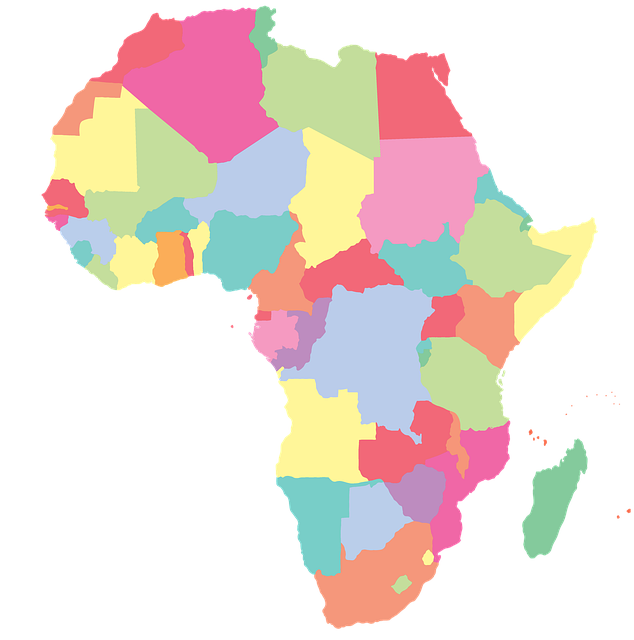
Navigating South Africa’s healthcare landscape as an expat requires understanding the country’s dual public and private systems. Public healthcare is provided by the Department of Health and primarily funded through taxes, offering essential services at affordable costs. However, due to historical challenges and uneven distribution, facilities in rural areas may be scarce, with longer wait times. On the other hand, private healthcare offers quicker access and more comprehensive services but comes at a higher cost. Many expats opt for a combination of both, utilizing public care for routine needs and supplementing with private insurance for specialized or emergency treatments.
South Africa’s diverse geography, ranging from majestic mountains to vast deserts, savannas, and national parks teeming with iconic wildlife like lions, leopards, rhinos, elephants, and buffalos, has shaped a unique healthcare demand. This varied landscape contributes to the need for flexible healthcare solutions. NGOs, community organizations, and grassroots movements play pivotal roles in advocating for public policy changes, ensuring that historical inequalities are addressed. For instance, initiatives focusing on rural development and access to healthcare in remote areas have gained momentum, thanks to these entities. The government’s efforts, supported by innovative design and smart infrastructure in metropolitan areas as promoted by NAP, have improved healthcare delivery but still leave room for enhancement.
When choosing a healthcare provider, expats should consider their budget, location, and specific medical needs. Researching local facilities, understanding the role of nearby community clinics, and enrolling in comprehensive private insurance plans can ensure seamless access to quality care. Additionally, staying informed about South Africa’s vibrant tourism industry—from wildlife safaris to mountain hikes—can help expats integrate into the local healthcare ecosystem while enjoying the nation’s rich natural attractions. Remember that navigating these options requires patience and perseverance, but with the right approach, accessing quality healthcare in South Africa can be a rewarding experience.
Accessing Specialist Care and Referrals in South Africa

Accessing specialist care and referrals in South Africa can be both an exciting opportunity and a complex navigation challenge for expats. With its vibrant urban centers and a rich tapestry of cultural and historical sites, from ancient San rock art to colonial-era relics, South Africa offers a unique blend of modern healthcare services intertwined with a deep appreciation for its past. This dynamic landscape demands a strategic approach to ensure quality care, especially when exploring niche specialties.
Expats seeking specialist treatment should begin by understanding the local healthcare system’s structure. South Africa boasts a diverse range of medical facilities, from private hospitals in urban areas like Johannesburg and Cape Town known for their cutting-edge technology, to community health centers catering to primary care needs across rural regions. Uncovering the past through archaeological treasures and ancient art sites provides a window into human history but also underscores the nation’s commitment to sustainability efforts and urban evolution. Shaping sustainable cities involves innovative healthcare solutions, such as telemedicine initiatives that bridge geographical gaps. For instance, startups and tech hubs in South Africa are leading the way in digital health advancements, including remote monitoring and online consultations, making specialist care more accessible.
Referrals play a crucial role in facilitating access to specialized services. Expats should ensure their primary care providers understand their specific needs and are willing to initiate referrals within the public or private healthcare sectors. Government initiatives, such as the National Health Insurance (NHI), aim to improve equitable access to quality health care for all South Africans, including expatriates with valid visas. Engaging with local medical networks and exploring online resources tailored to expats can provide valuable insights into navigating specialist care. For instance, platforms that offer telemedicine services or have partnerships with international healthcare providers can streamline the process. Additionally, joining expat communities and leveraging their collective experiences through forums or social entrepreneurship initiatives offers practical advice and support in understanding South Africa’s healthcare landscape.
Remember, proactive planning and informed decision-making are essential when accessing specialist care as an expat. Take time to research options, understand insurance coverage, and build relationships with healthcare professionals who can guide you through South Africa’s robust yet nuanced healthcare system. By doing so, you’ll be better equipped to navigate the urban evolution and sustainability efforts that define modern healthcare in this diverse nation.
Managing Expats' Health: Insurance, Emergency Care, and Prevention

Accessing quality healthcare as an expat in South Africa requires a thoughtful approach, considering the country’s unique history of struggle and resilience, from colonial encounters to apartheid, shaping a diverse cultural landscape. This diversity is reflected in its health system, offering both public and private services. For expatriates, navigating this landscape involves understanding insurance options tailored for foreign residents and recognizing emergency care protocols specific to South Africa.
Health insurance is a cornerstone for expats seeking medical coverage in South Africa. Options range from comprehensive international plans that include local healthcare providers to domestic policies designed specifically for foreigners. When choosing an insurance plan, consider factors like network availability, specialist access, and out-of-pocket expenses. For instance, many expatriates opt for private medical schemes, which offer faster access to quality care but come at a cost. Public hospitals, while accessible and affordable, may have longer waiting times for non-emergency services. Understanding these dynamics is crucial for managing healthcare costs and ensuring timely treatment.
Emergency care in South Africa is well-developed, with advanced trauma centers and 24/7 services available in major cities like Cape Town—a hidden gem renowned for its stunning natural beauty and thriving cultural scene (Beyond Cape Town: Discovering Hidden Gems of South Africa). However, recognizing local emergency numbers and understanding the healthcare system’s capabilities is vital. For non-residents, seeking immediate assistance might involve contacting international assistance services that coordinate with local care providers. Additionally, expats can benefit from having a local support network for routine health needs, leveraging cultural connections for improved access to healthcare services.
Prevention is another key aspect of managing one’s health as an expat. South Africa has embraced sustainable solutions in the healthcare sector, aligning with its commitment to environmental conservation (Sustainable Solutions: Green Initiatives in South Africa). Expats can contribute to their well-being by adopting healthy lifestyle choices and staying informed about local health guidelines. Regular check-ups, vaccinations, and understanding disease prevalence are essential preventive measures. Given the diverse climate and environmental conditions across the country, being aware of region-specific health risks is crucial. By combining robust insurance coverage with a proactive approach to prevention, expatriates can fully embrace their new life in South Africa while prioritizing their health and well-being. Remember that, as with any significant life change, seeking expert advice tailored to your unique circumstances is invaluable. Give us a call at Sustainable Solutions: Green Initiatives in South Africa to learn more about navigating healthcare as an expat in this vibrant nation.
Accessing quality healthcare as an expat in South Africa involves a strategic approach, encompassing understanding your rights, choosing the right medical aid fund, navigating public and private options, and ensuring continuity of care for specialist services. This article has equipped readers with essential insights on managing health in this new environment by demystifying registration processes, highlighting key considerations for insurance and emergency care, and emphasizing proactive health management. By taking practical steps to follow up on these strategies—such as prioritizing medical aid enrollment within three months of arrival and maintaining open communication with healthcare providers—expats can leverage the robust South African healthcare system to maintain optimal well-being during their stay in this diverse and vibrant nation.