South Africa's game viewing seasons vary by park. Optimal winter (June-August) sightings in parks like Kruger National Park contrast with lush summers (December-February). Shoulder seasons (September-November, March-May) offer balanced experiences with fewer tourists and cultural festivals. Planning considers unique landscapes, historical context, and conservation efforts that align with social development. The best time for wildlife spotting is during the dry season (May-October), following animal migrations. Ethical tourism supports local communities through revenue sharing and sustainable practices.
South Africa is a global destination for game viewing, renowned for its diverse ecosystems and rich wildlife. However, the best time to visit is often a puzzle for travelers, considering seasonal variations and animal behavior. Understanding these factors is crucial for an optimal experience. This article provides authoritative insights into the ideal seasons for exploring South Africa’s natural wonders, offering practical advice for maximizing opportunities to witness the breathtaking beauty of its wild inhabitants in their most active and accessible states.
- Seasonal Variations in South Africa's Wildlife Activity
- Best Times for Major Game Parks in Different Seasons
- Understanding Animal Migrations and Their Impact on Viewing
- Planning Your Trip for Optimal Game Viewing Experiences
Seasonal Variations in South Africa's Wildlife Activity
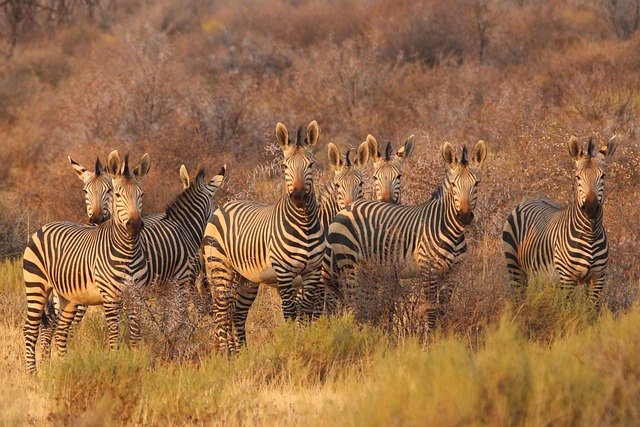
South Africa’s diverse ecosystems offer a year-round game viewing experience, but seasonal variations significantly impact wildlife activity. The best time to visit for optimal sightings varies across regions, primarily influenced by rain patterns and migration cycles. Generally, the dry winter months (June to August) present ideal conditions in many national parks. During this period, water sources shrink, forcing animals to gather around remaining pans and pools, enhancing spotting opportunities. For instance, Kruger National Park, one of South Africa’s most popular game reserves, experiences higher animal concentration during the cooler, drier winters when many species actively seek water.
Conversely, the summer months (December to February) bring lush landscapes but can be challenging for game viewing due to thick vegetation and abundant rainfall. While some animals may still be visible, their movements are often less predictable. The wet season also coincides with South Africa’s rich cultural celebrations, offering visitors a unique blend of experiences beyond wildlife encounters. Art, music, dance, and culinary traditions highlight the country’s vibrant tapestry, showcasing its diverse communities and celebrating its past while preserving UNESCO World Heritage Sites scattered across the nation.
For a balanced experience, consider visiting during late spring (September to November) or early autumn (March to May). These transitional periods offer excellent wildlife viewing with fewer tourists. The dry season starts to take hold, yet the landscapes remain lush enough to support abundant biodiversity. Additionally, these seasons provide opportunities to explore South Africa’s historical sites, as many communities host cultural festivals and events that give insight into the nation’s Rainbow Nation identity—a testament to its unity in diversity, boasting 11 official languages.
When planning a trip, it’s crucial to research specific park guidelines and weather patterns for the region you intend to visit. Keeping these seasonal variations in mind will ensure a rewarding game viewing experience tailored to your preferences and interests, whether immersing yourself in cultural richness or seeking out South Africa’s diverse natural resources.
Best Times for Major Game Parks in Different Seasons
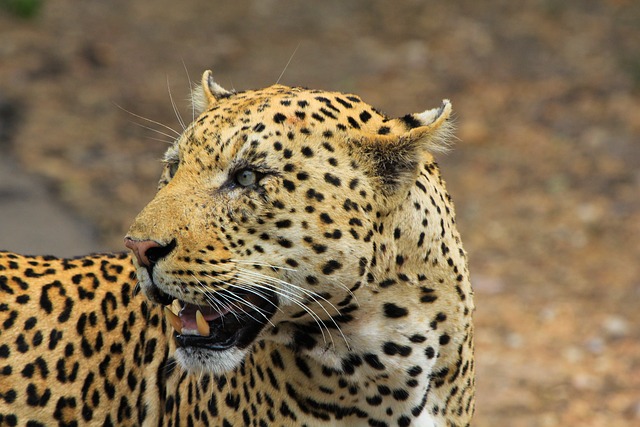
The best time to visit South Africa for game viewing varies significantly depending on the specific parks and seasons. For instance, the renowned Kruger National Park, a UNESCO World Heritage Site known for its diverse wildlife, experiences distinct weather patterns throughout the year. The dry winter months (June to August) offer clearer sightings as vegetation is sparse, making it easier to spot animals like lions, elephants, and rare species such as the black rhinoceros—a testament to South Africa’s commitment to Preserving the Past and its unique biodiversity.
In contrast, the summer months (December to February) bring lush landscapes following seasonal rains, transforming the park into a verdant landscape. While this can make game viewing more challenging due to dense vegetation, it also attracts a plethora of migratory birds, providing birding enthusiasts with exceptional opportunities. Additionally, these months coincide with South Africa’s peak tourist season, meaning enhanced infrastructure and services are available, albeit at higher costs.
Other major game parks, like the Addo Elephant National Park, offer unique experiences year-round. The park is renowned for its high concentration of elephants and other large mammals, making it a consistent favorite among visitors. The wetter summer months encourage wildlife to frequent water sources, while the cooler winter days see animals actively feeding, offering visitors consistent game viewing prospects regardless of season.
For those interested in combining game viewing with exploration of South Africa’s diverse landscapes and cultural heritage, visiting during the shoulder seasons (September-November or March-May) can be ideal. This period offers pleasant weather, fewer tourists, and affordable rates, allowing for a more immersive experience. Moreover, it provides an opportunity to support local communities and their Social Impact initiatives through entrepreneurial solutions, as many tourism businesses focus on sustainable practices that benefit the surrounding areas. Remember that, ultimately, the best time to visit depends on personal preferences, budget, and specific park objectives. Investing in Youth: Education and employment opportunities abound in South Africa, making it a destination that offers something for everyone.
Understanding Animal Migrations and Their Impact on Viewing

South Africa’s diverse ecosystems and rich biodiversity make it an ultimate destination for game viewing enthusiasts. To fully immerse yourself in this experience, understanding animal migrations is key. The country’s unique geography plays host to various habitats, from lush woodlands to vast savannas, which support a plethora of wildlife species. These habitats undergo seasonal transformations, prompting animals to migrate in search of food and water, creating an ever-changing dynamic for visitors.
Animal movements are particularly visible during the dry season, when many species traverse vast distances. In South Africa naturally, this is often between May and October. During this period, you can witness large herds of elephants, zebras, and antelopes moving across the landscape, offering a spectacular sight. For instance, the Great Migration in the Kruger National Park is a renowned event where millions of animals travel from the Serengeti to Maasai Mara, passing through South Africa’s northeastern borders. This phenomenon attracts visitors from around the globe, eager to capture the ancient dance of these creatures.
However, it’s not just about timing; understanding the broader context is essential. Addressing poverty and promoting social development in South Africa naturally intersects with conservation efforts. The country’s rich cultural heritage, evident in ancient San rock art to colonial-era sites, provides a window into human history. Sustainability initiatives alongside these natural wonders ensure that future generations can also experience them. By visiting us at [NAP/brand], you’ll gain insights into the social, political, and economic advancements for women’s rights and youth development, all while exploring South Africa’s incredible game reserves.
To maximize your chances of encountering these migrations, consider planning your trip during the late dry season (August-September) when the animals are most active. Keep in mind that each reserve has its unique characteristics, so consult with local experts or guides who can provide valuable insights into specific wildlife behaviors and seasonal patterns. This approach will not only enhance your game viewing experience but also contribute to the conservation efforts of a country making significant strides in social development while preserving its natural heritage.
Planning Your Trip for Optimal Game Viewing Experiences
Planning your trip for optimal game viewing in South Africa requires a strategic approach, considering both the dynamic natural landscapes and the country’s rich cultural history. The best time to visit is during the dry season, from May to October, when wildlife is more concentrated around water sources, offering prime opportunities for game spotting. This period aligns with South Africa’s diverse ecosystems, ranging from lush savannas in the north to arid deserts in the west and south, each attracting unique species. The historical context of colonial encounters to apartheid and subsequent struggles for equality has shaped community-based wildlife conservation programs, empowering local communities to participate in and benefit from tourism.
South Africa’s political landscape, marked by its transformation from a system of racial segregation to a democratic nation, has also influenced its industrial sector, with gold, platinum, diamonds, and coal playing significant roles in the country’s economic growth. This diverse history underscores the nation’s commitment to preserving its natural heritage while fostering cultural resilience. Wildlife conservation efforts have been further boosted by government interventions aimed at addressing systemic inequality, ensuring that communities directly benefit from tourism revenue.
When planning your visit, consider engaging with community-based programs that prioritize ethical wildlife viewing practices and contribute to local economic development. Entrepreneurship and Growth: The Business Landscape in South Africa offers a glimpse into the thriving entrepreneurial spirit across various sectors, including eco-tourism ventures that promote sustainable practices while providing visitors with unforgettable game viewing experiences. Visit us to explore the dynamic business environment that mirrors the country’s rich tapestry of cultures and natural wonders.
South Africa’s diverse ecosystems offer unparalleled game viewing experiences throughout the year, with seasonal variations enhancing wildlife activity. Understanding the best times to visit major game parks, considering animal migrations, and strategically planning your trip are key to optimal viewing. The article has provided valuable insights into navigating South Africa’s natural landscape, allowing readers to take advantage of peak seasons for specific parks and anticipate migrations. By applying these learnings, visitors can enhance their chances of witnessing the breathtaking dance of wildlife in their natural habitats, ensuring a truly unforgettable experience in this vibrant nation.